ShootMind.com

Gym Training for Pistol and Rifle Shooters

General strength and conditioning gives you more physical capacity for long matches: shoulder and upper-back endurance for pistol, trunk endurance and balance for rifle. Below is a complete three-day gym foundation with illustrated exercises. It complements technical practice; it does not diagnose shooting errors or guarantee steadier sights.

Who this plan is for

Adult pistol and rifle shooters who want a simple, general strength foundation in an ordinary gym: dumbbells, a kettlebell, cable stations and common machines. It is general conditioning, not an official federation program; adapt it with a coach or clinician if you have injuries or health concerns. Move with control, breathe normally and stop an exercise if it causes pain.

What this helps you train

Shoulder endurance, upper-back support and manageable arm and forearm fatigue.

The three-day program

8 entries · reference estimate about 80 min (from the original app, not measured)

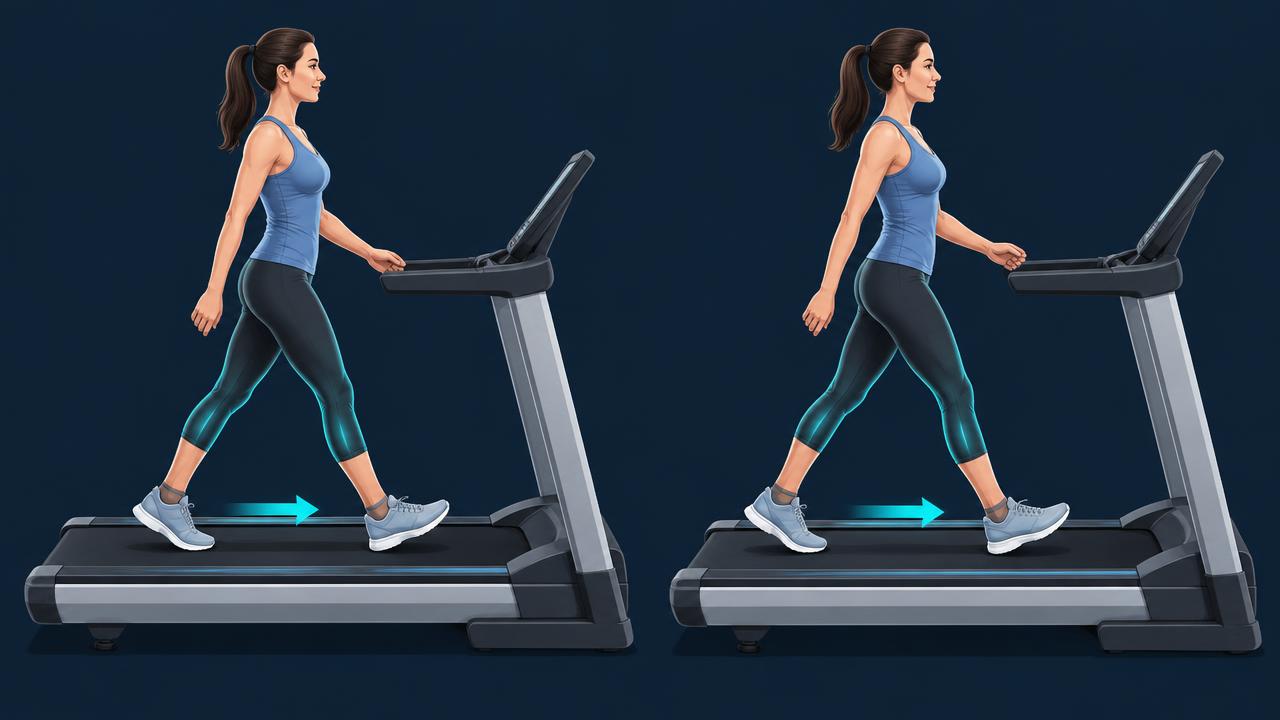
Person walking upright at an easy pace on a treadmill

1.Walking

1 block · start 5–10 min, end ~5 min (suggested)

Warms you up before lifting and lets you cool down afterwards.

Treadmill or floorWhole body, legs
Technique
  • Walk at a comfortable pace where you can still talk.
  • Stand tall with relaxed shoulders and a natural arm swing.
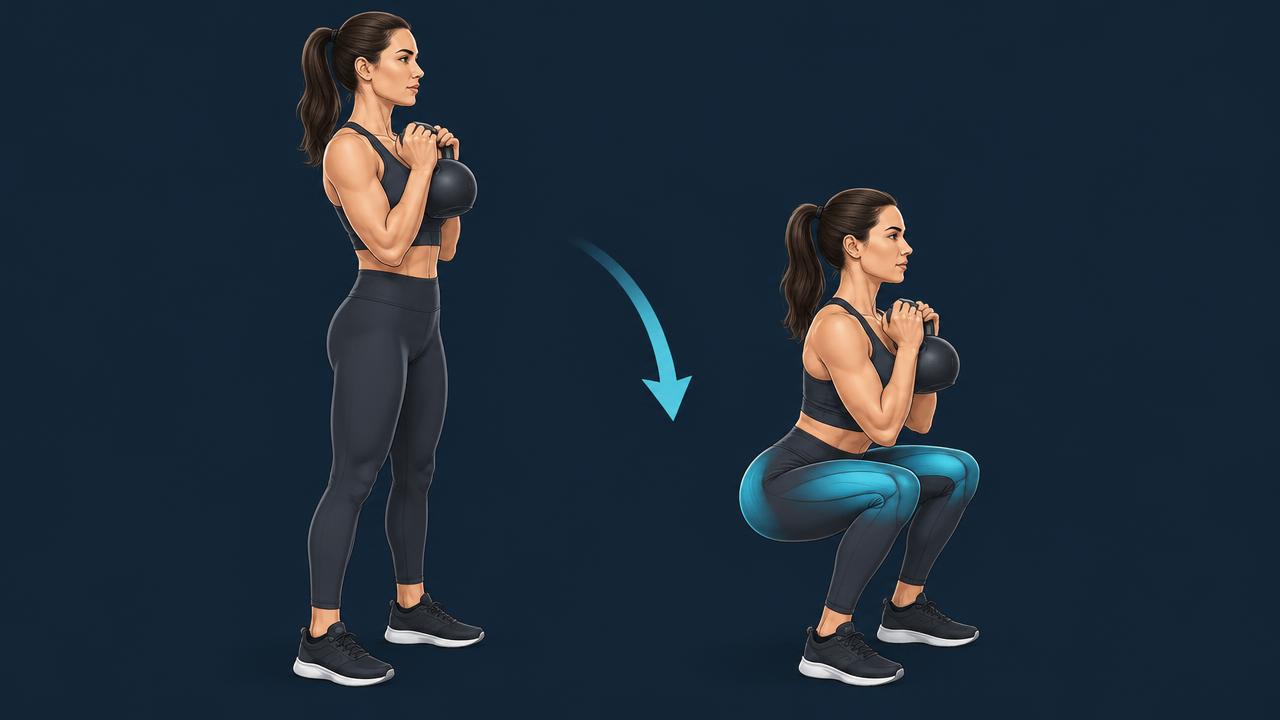
Goblet squat: standing with a kettlebell at the chest, then a deep squat with heels flat

2.Kettlebell goblet squat

3 × 8

Builds leg strength and an upright trunk under load.

KettlebellThighs, glutes, trunk
Technique
  • Hold the kettlebell by the horns close to your chest.
  • Sit down between your heels with knees following your toes.
  • Keep heels down and chest up, then stand back up.

Suggested rest: 90–120 s. Load means: kettlebell weight.

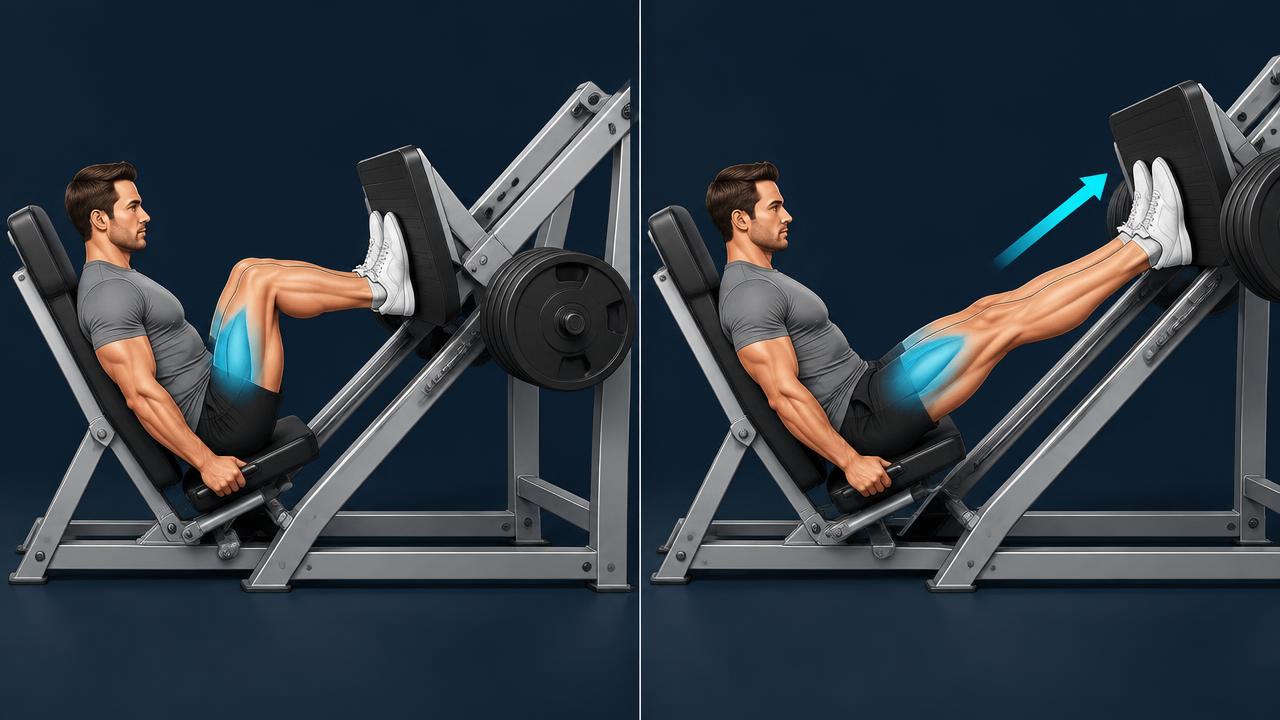
Alternative: Machine leg press

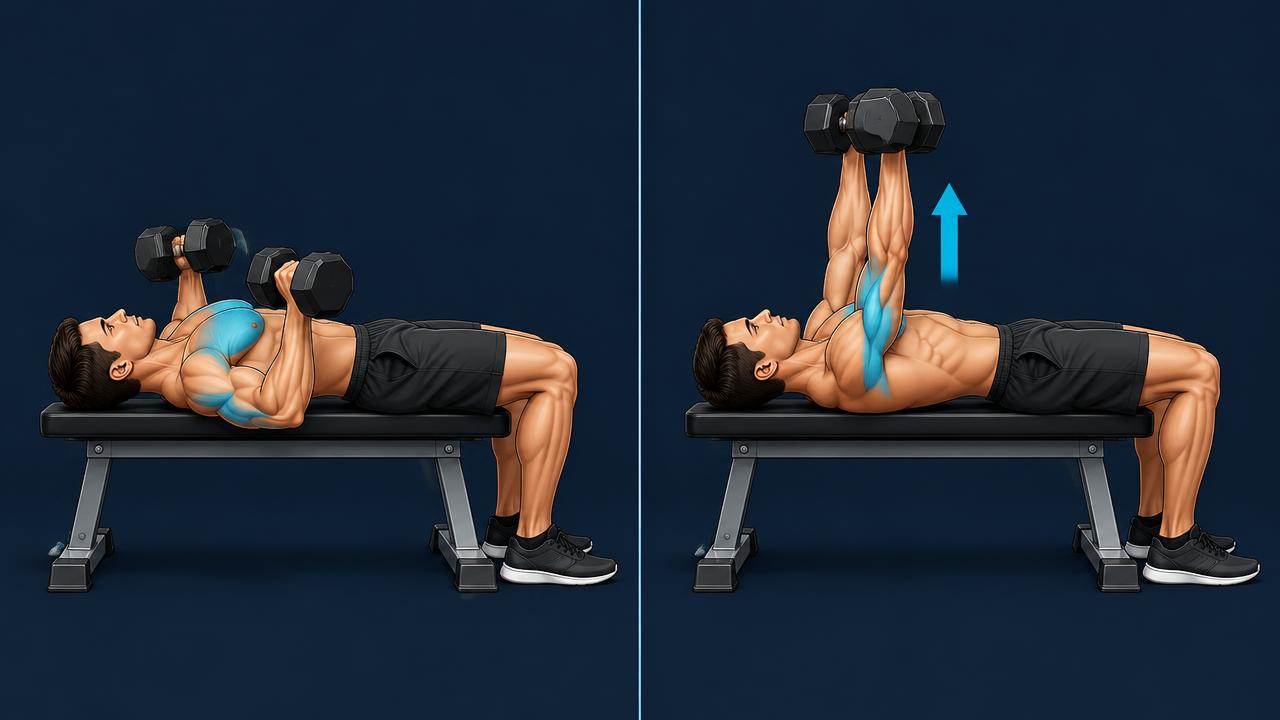
Dumbbell bench press lying on a flat bench, dumbbells lowered to the chest and pressed up

3.Dumbbell bench press

3 × 12

Horizontal pressing strength for chest, shoulders and arms.

Flat bench, dumbbellsChest, front shoulders, triceps
Technique
  • Lie on the bench with feet flat on the floor.
  • Lower the dumbbells beside your chest, elbows angled about 45°.
  • Press up over the chest without locking hard.

Suggested rest: 90–120 s. Load means: weight per dumbbell.

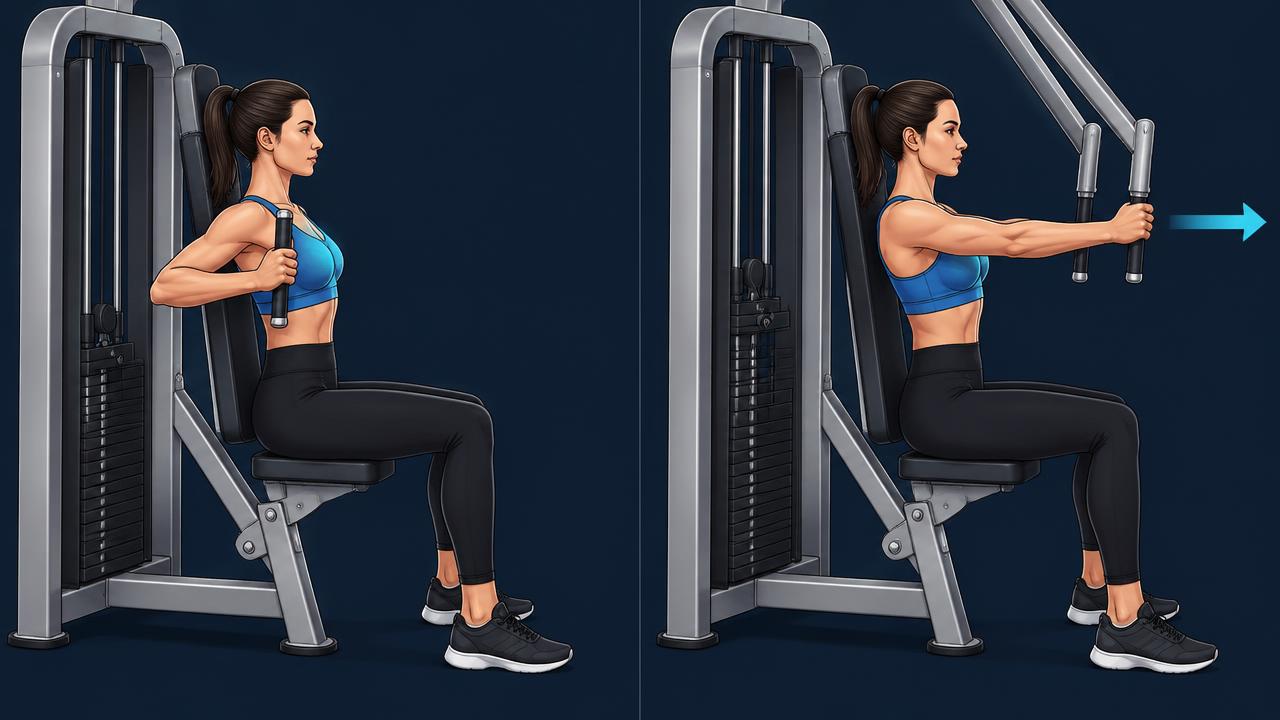
Alternative: Machine bench press

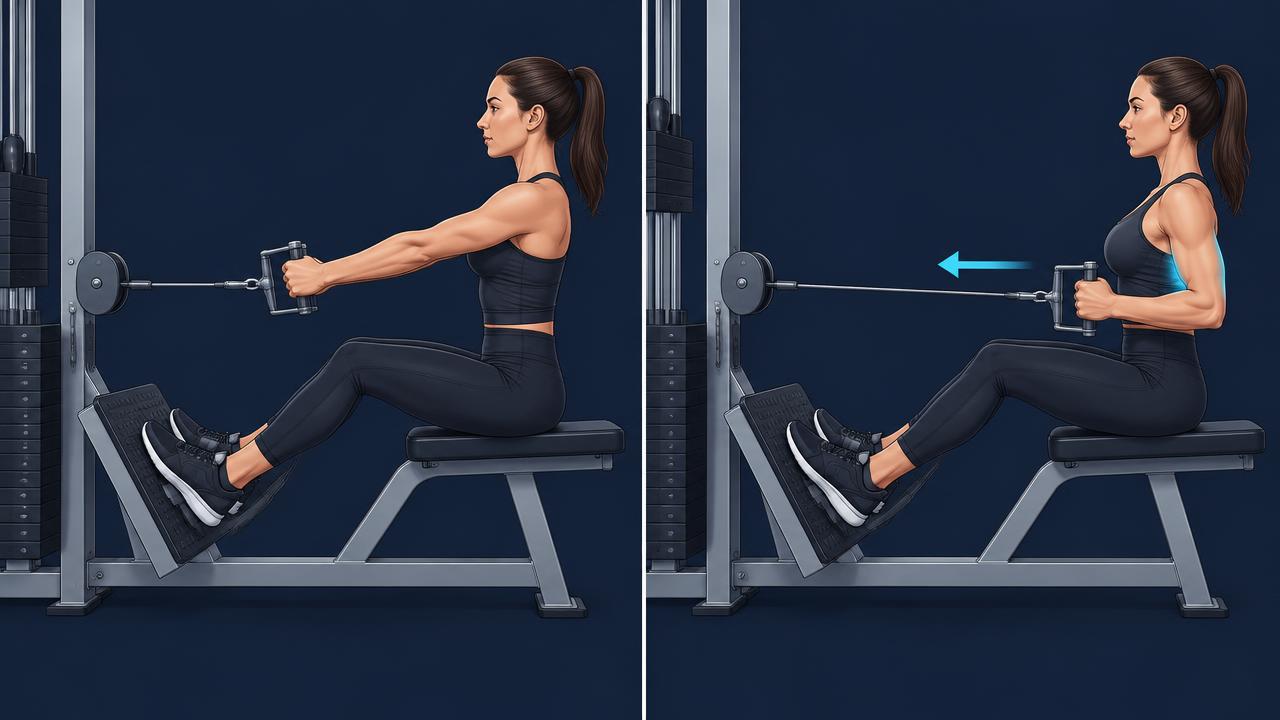
Seated cable row: arms extended forward, then handle pulled to the lower ribs

4.Seated cable row

3 × 10

Strengthens the upper back that supports your shoulders.

Cable row stationUpper back, lats, biceps
Technique
  • Sit tall with knees slightly bent and feet on the plate.
  • Pull the handle to your lower ribs, elbows close to the body.
  • Keep the trunk still; do not rock backwards.

Suggested rest: 90–120 s. Load means: cable stack setting (machines differ).

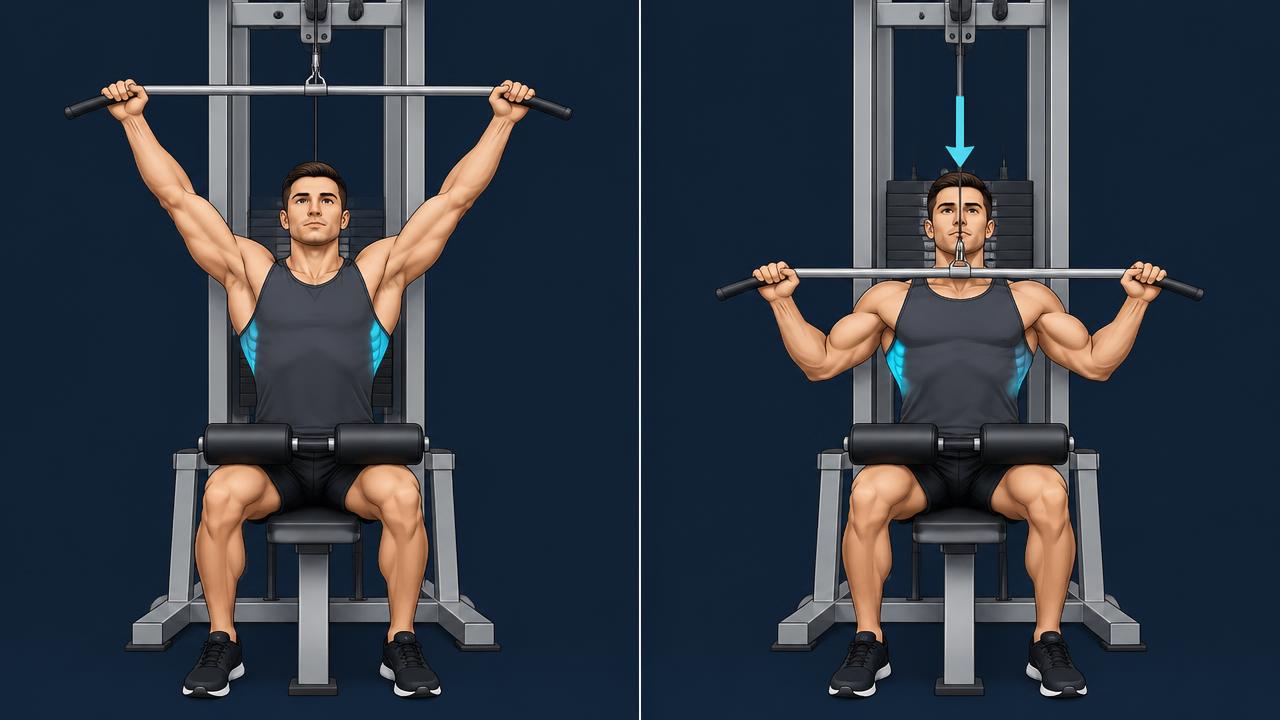
Alternative: Wide-grip cable lat pulldown

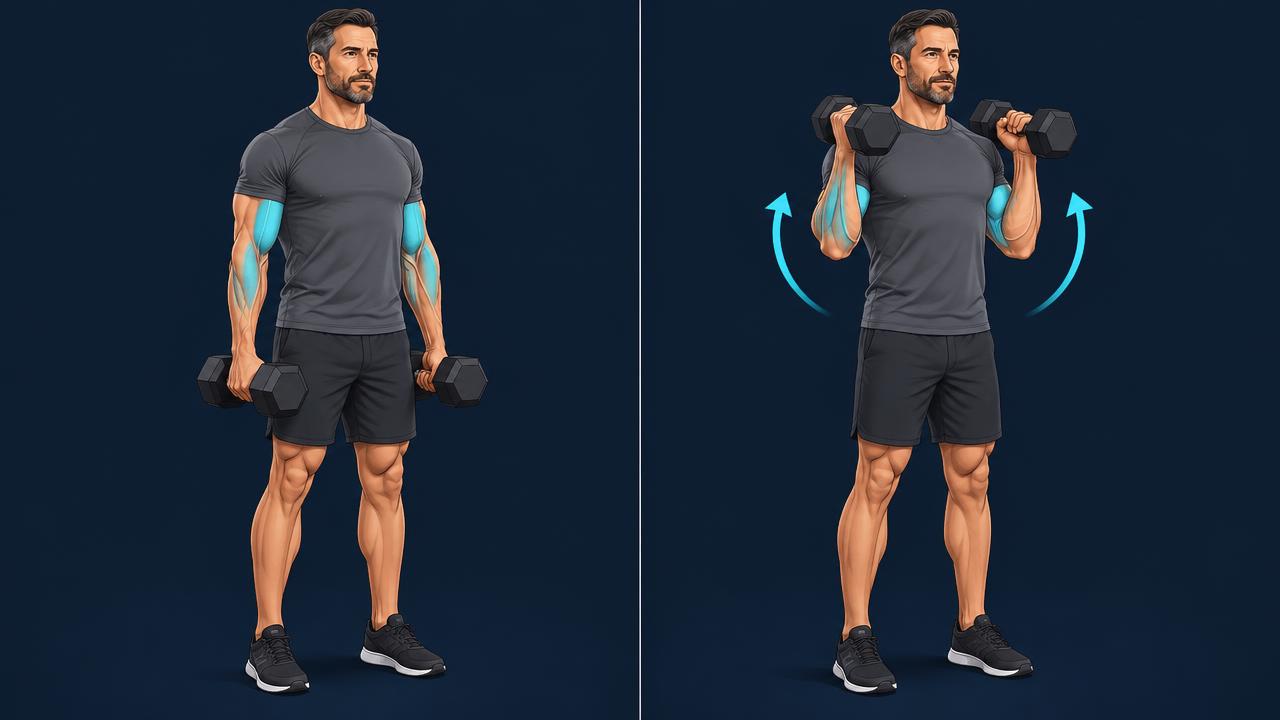
Hammer curl: dumbbells at the sides, then curled to the shoulders with palms facing in

5.Dumbbell hammer curl

3 × 8

Builds arm and forearm strength with a neutral grip.

DumbbellsBiceps, forearms
Technique
  • Palms face each other throughout.
  • Keep elbows at your sides and curl without swinging.

Suggested rest: 60–90 s. Load means: weight per dumbbell.

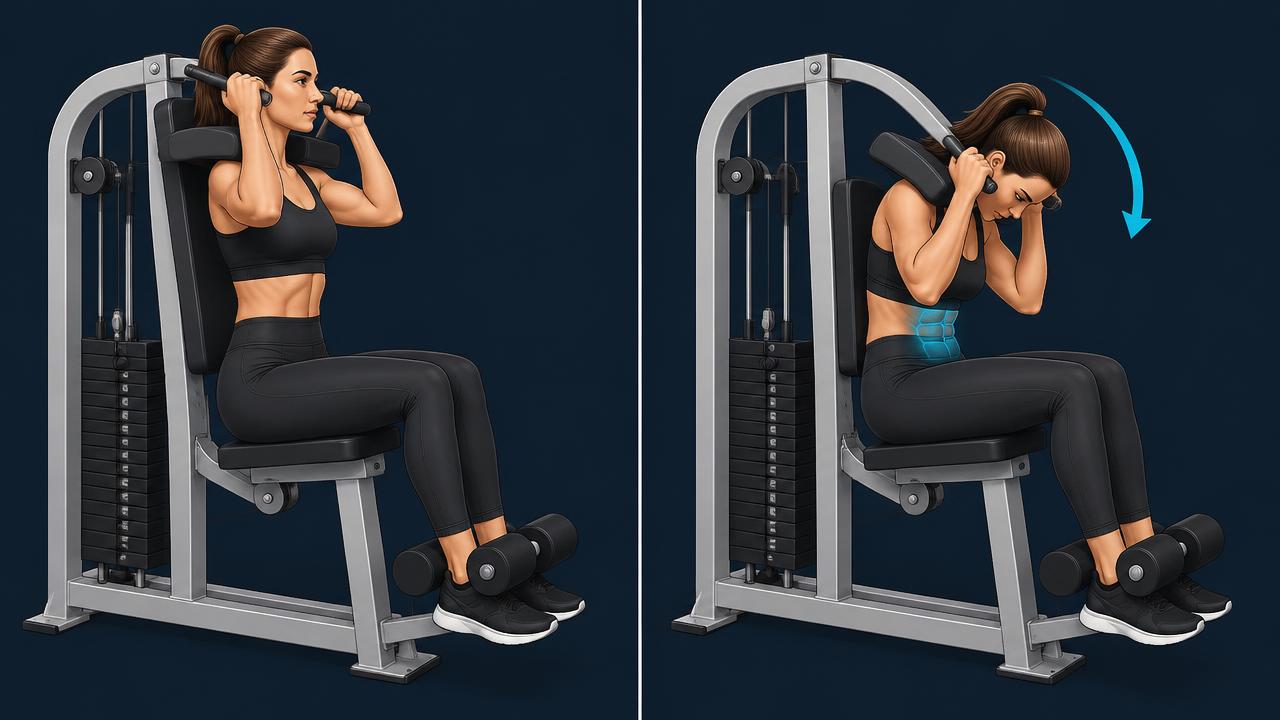
Seated ab crunch machine: upright, then trunk curled forward

6.Machine abdominal crunch

3 × 8

Trunk flexion strength with an adjustable load.

Ab crunch machineAbdominals
Technique
  • Curl the ribs toward the hips rather than pulling with the arms.
  • Breathe out as you crunch; return slowly.

Suggested rest: 60–90 s. Load means: machine stack setting (machines differ).

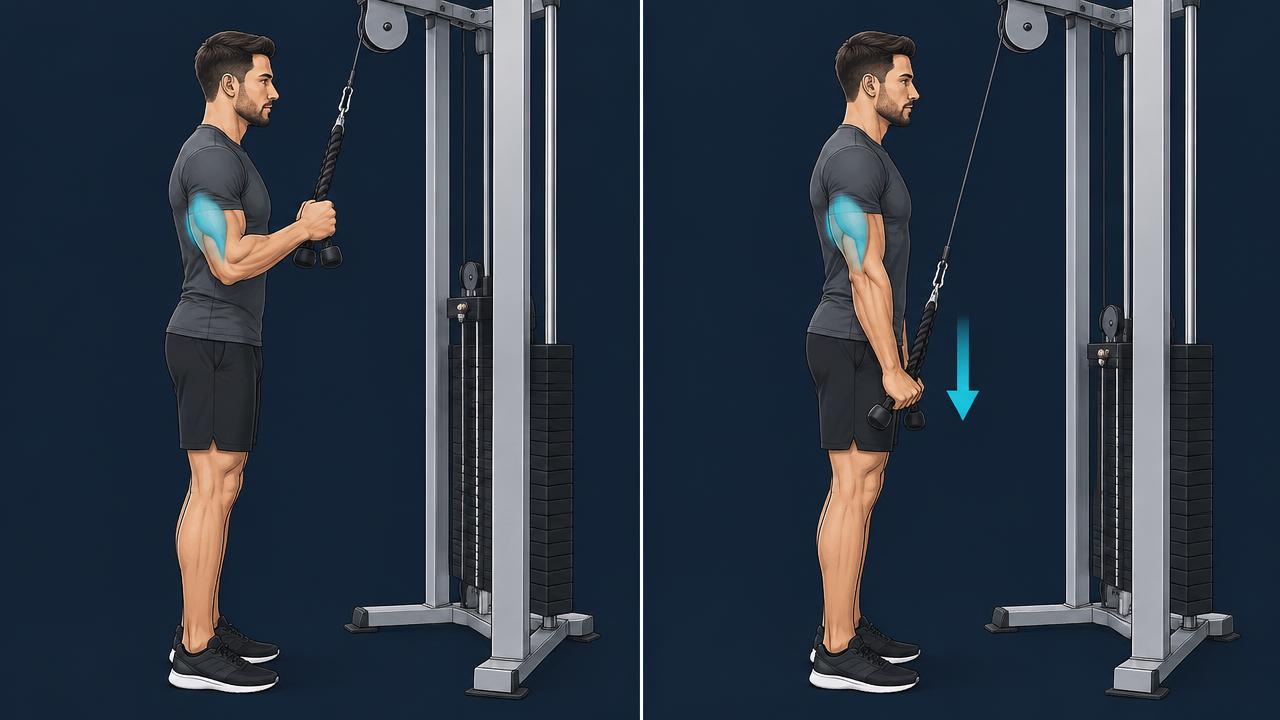
Rope triceps pushdown at a high cable: elbows bent, then arms straight down

7.Rope triceps pushdown

3 × 8

Arm extension strength for elbow support.

High cable, ropeTriceps
Technique
  • Keep elbows tucked at your sides.
  • Push the rope down and spread the ends slightly at the bottom.

Suggested rest: 60–90 s. Load means: cable stack setting (machines differ).

Person walking upright at an easy pace on a treadmill

8.Walking

1 block · start 5–10 min, end ~5 min (suggested)

Warms you up before lifting and lets you cool down afterwards.

Treadmill or floorWhole body, legs
Technique
  • Walk at a comfortable pace where you can still talk.
  • Stand tall with relaxed shoulders and a natural arm swing.
Load, rest and progression

ShootMind guidance added to the supplied routine:

  • Train on nonconsecutive days, e.g. Monday, Wednesday, Friday. Training twice a week? Continue Day 1 → 2 → 3 in sequence.
  • Beginner setting: start with two sets per strength exercise. The three-set routine is the full version.
  • Walk 5–10 minutes at the start and around 5 minutes at the end.
  • Choose a load that leaves about 2–3 good repetitions in reserve. Starting weights are personal.
  • Rest 90–120 s on larger compound exercises and 60–90 s on smaller ones; longer if you need it.
  • Progress only after completing the prescribed work with controlled technique on repeated sessions, using the smallest available increase.
  • Schedule hard gym sessions around shooting and competitions based on your own recovery.

Optional shooter module

Editorial additions, not part of the supplied routine. Add at most one module to a session and keep it short.

Pistol module

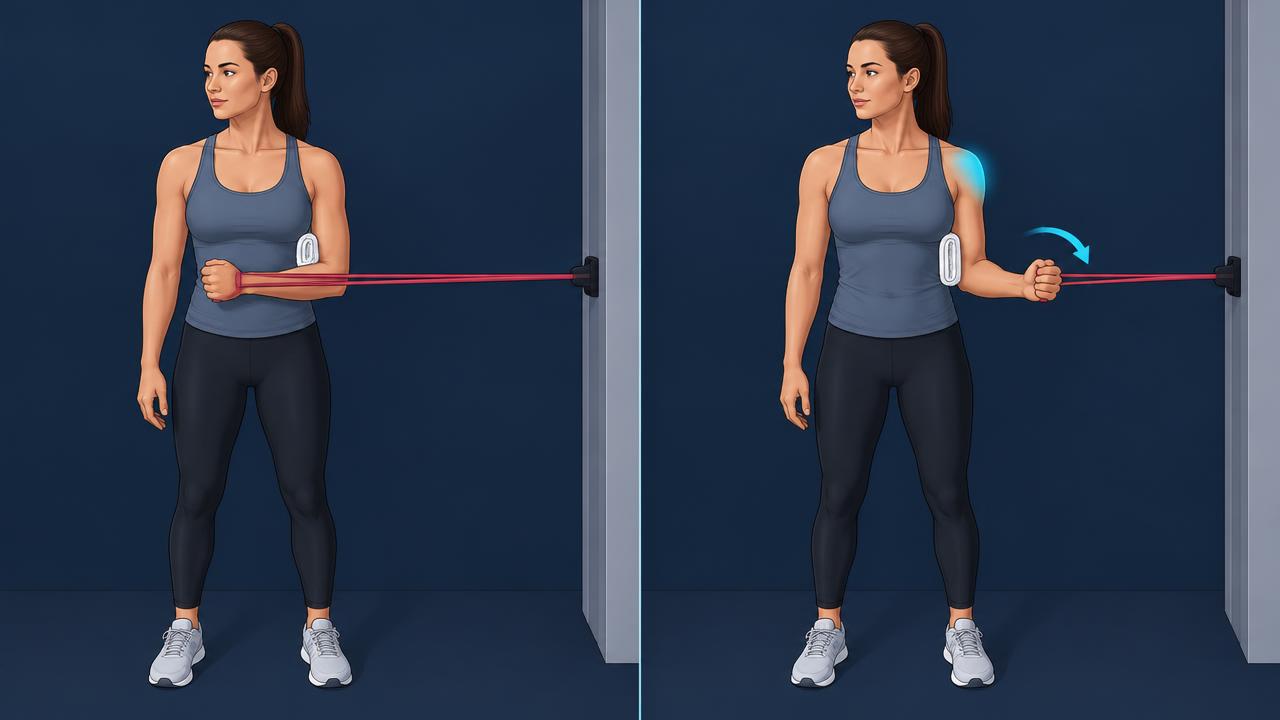
Band external rotation: forearm across the body, then rotated outward with the elbow at the side

Band external rotation

2 × 12–15 each side

Shoulder endurance for the muscles that steady the joint.

Light resistance bandRotator cuffShootMind addition
Technique
  • Keep the elbow bent 90° and against your side.
  • Rotate the forearm outward slowly, then return.

Suggested rest: 60–90 s. Load means: band colour/strength.

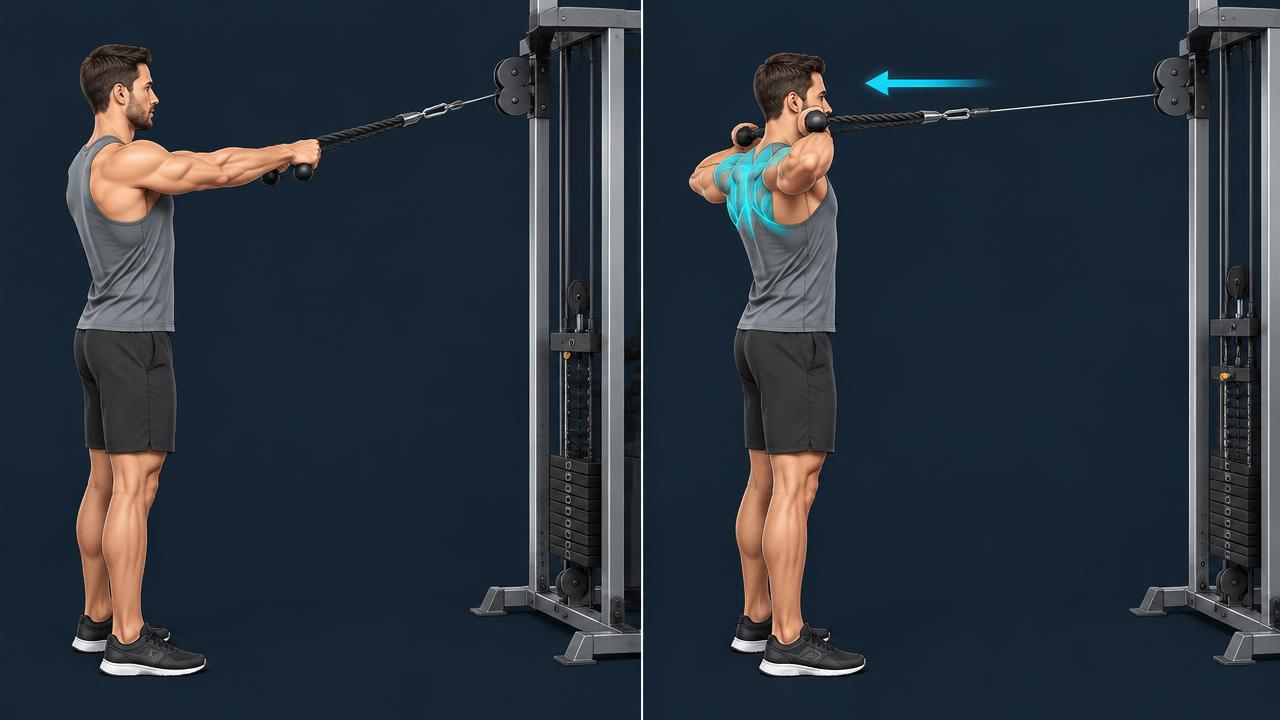
Alternative: Rope face pull

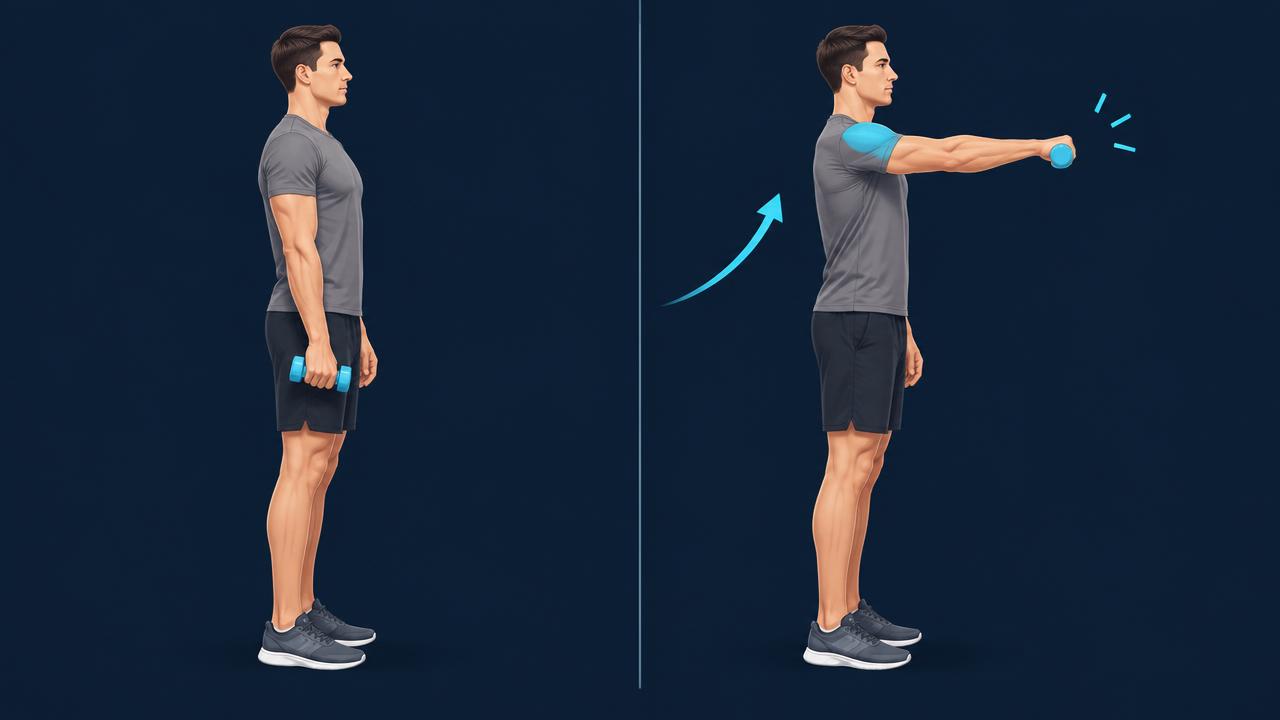
Single-arm hold: light dumbbell at the side, then arm held forward at shoulder height

Light single-arm shoulder hold

2 × 15–25 s each side

Shoulder endurance in a sustained arm position.

Very light dumbbellFront shoulder, upper backShootMind addition
Technique
  • Use a very light ordinary training weight.
  • Raise the arm to a comfortable height with a slightly soft elbow.
  • Breathe normally, keep shoulders relaxed, train both sides.

Suggested rest: 60–90 s. Load means: weight per dumbbell.

Rifle module

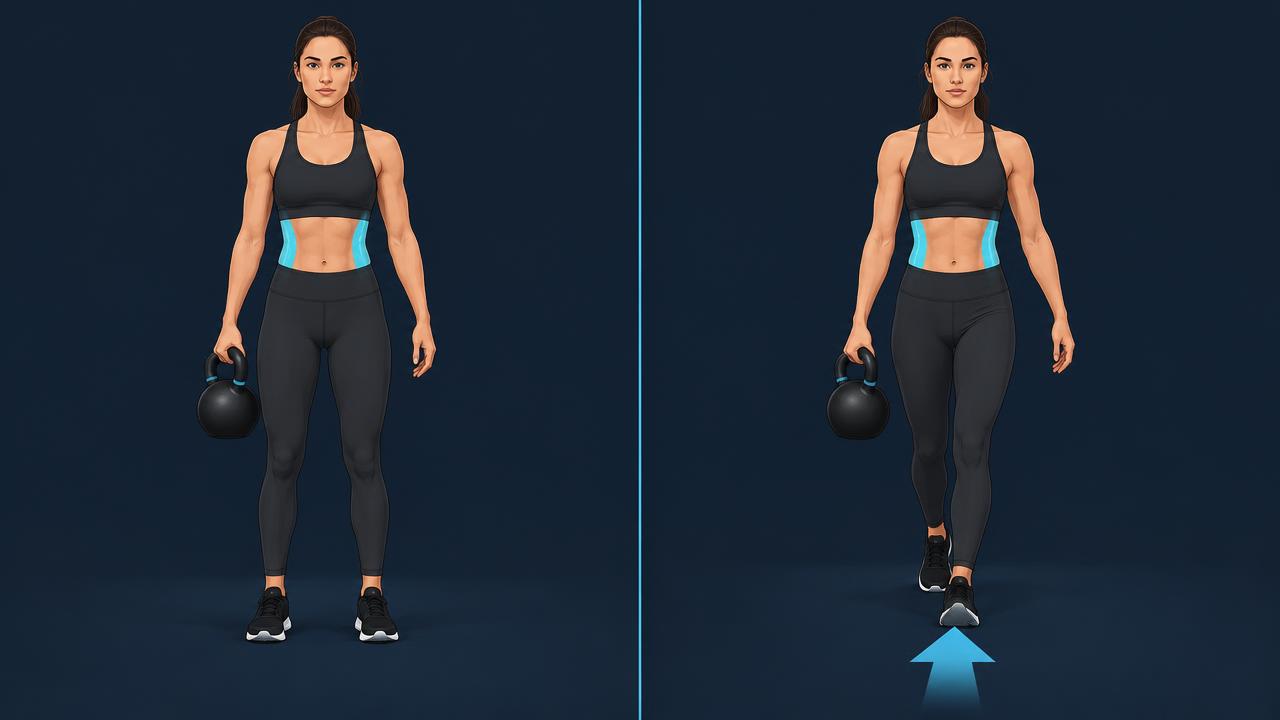
Suitcase carry: one kettlebell held at the side, walking upright

Suitcase carry

2 × 20–30 s each side

Trunk endurance against an uneven load.

Kettlebell or dumbbellTrunk, grip, hipsShootMind addition
Technique
  • Hold one weight at your side like a suitcase.
  • Walk tall without leaning toward or away from the weight.

Suggested rest: 60–90 s. Load means: kettlebell weight.

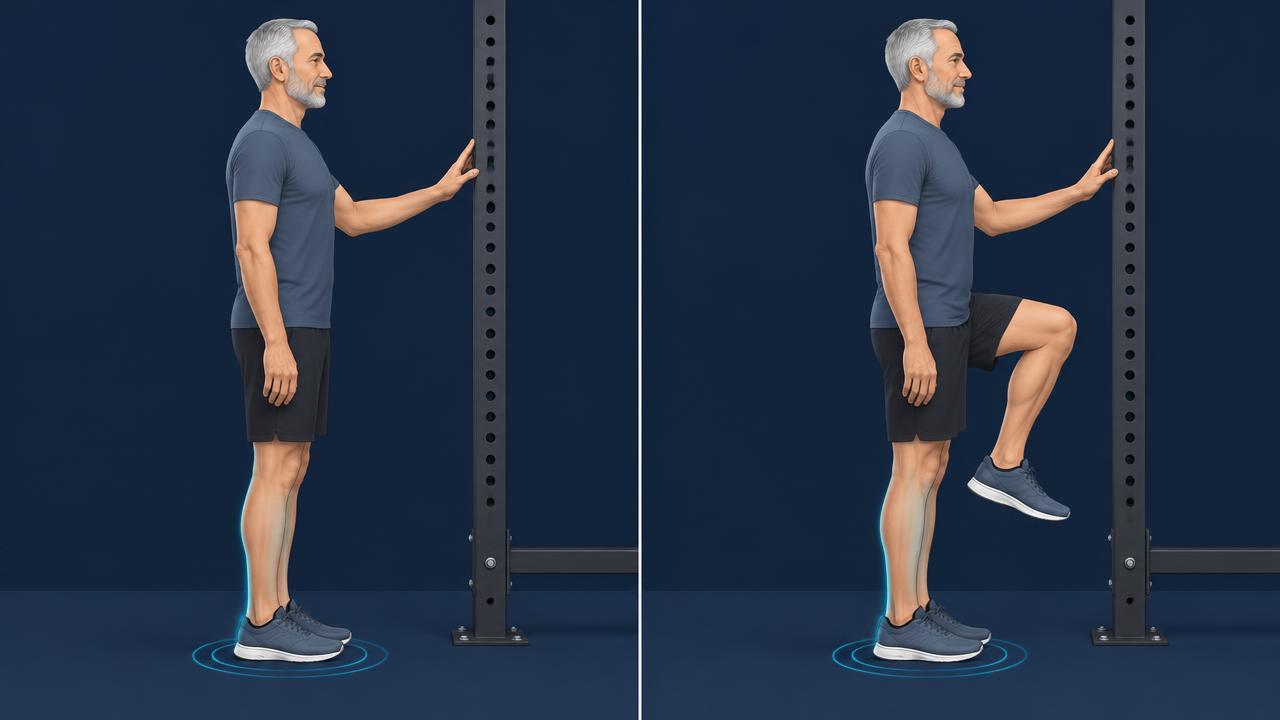
Supported single-leg balance beside a rack upright

Supported single-leg balance

2 × 20–30 s each side

Balance and tolerance for standing still.

Sturdy support, firm floorFeet, ankles, hipsShootMind addition
Technique
  • Stand on firm ground with fingertips on a sturdy support.
  • Lift one foot slightly and stand tall; use the support as needed.

Suggested rest: 60–90 s.

Anti-rotation module

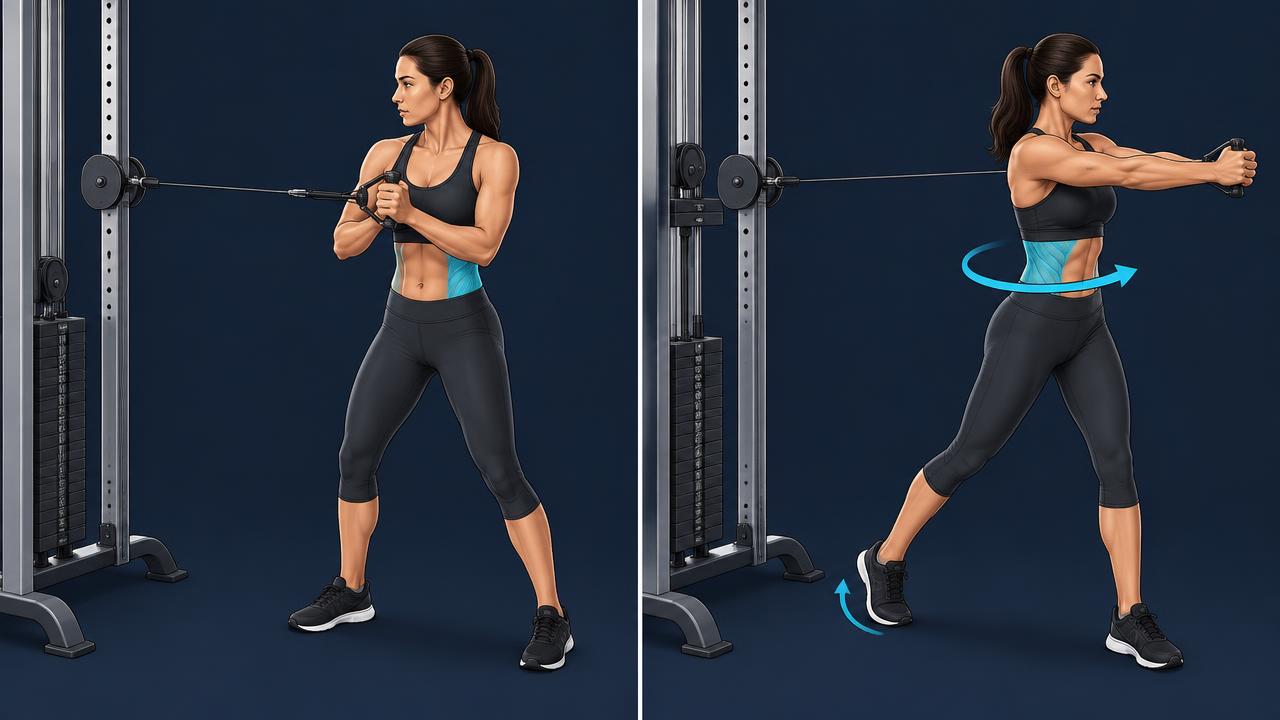
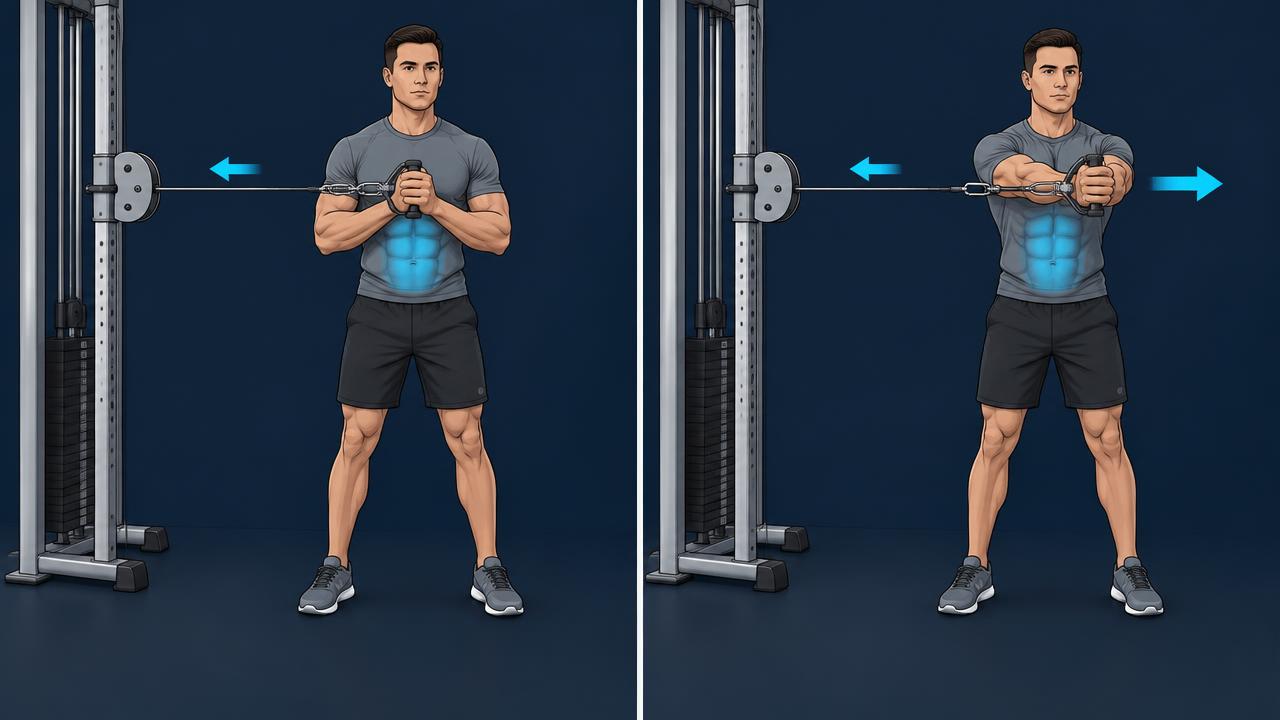
Anti-rotation Pallof press: handle at the chest, then pressed straight forward with the trunk square

Anti-rotation Pallof press

2 × 10–12 each side

Trunk control that resists turning.

Cable at chest heightAbdominals, obliquesShootMind addition
Technique
  • Stand side-on to the cable, handle at your sternum.
  • Press straight forward and keep hips and chest square; do not rotate.

Suggested rest: 60–90 s. Load means: cable stack setting (machines differ).

Alternative: Cable Pallof press with rotation

Common questions

Will gym training improve my shooting score?

Not directly. Gym work builds general capacity such as shoulder and trunk endurance. Scores come from technical practice; there is limited shooting-specific research on any gym program.

How often should I do this program?

Three sessions on nonconsecutive days, for example Monday, Wednesday and Friday. If you train twice a week, just continue Day 1, Day 2, Day 3 in order.

Should I train in the gym before a competition?

Plan demanding gym sessions around shooting using your own recovery experience. Many shooters move or shorten a hard session before a match.

Related guides

Stop guessing from one target. Build a shooting history and let ShootMind look for the patterns that are difficult to see one session at a time.

Always follow firearm-safety rules, range regulations and the manufacturer's instructions. Safety takes precedence over training.